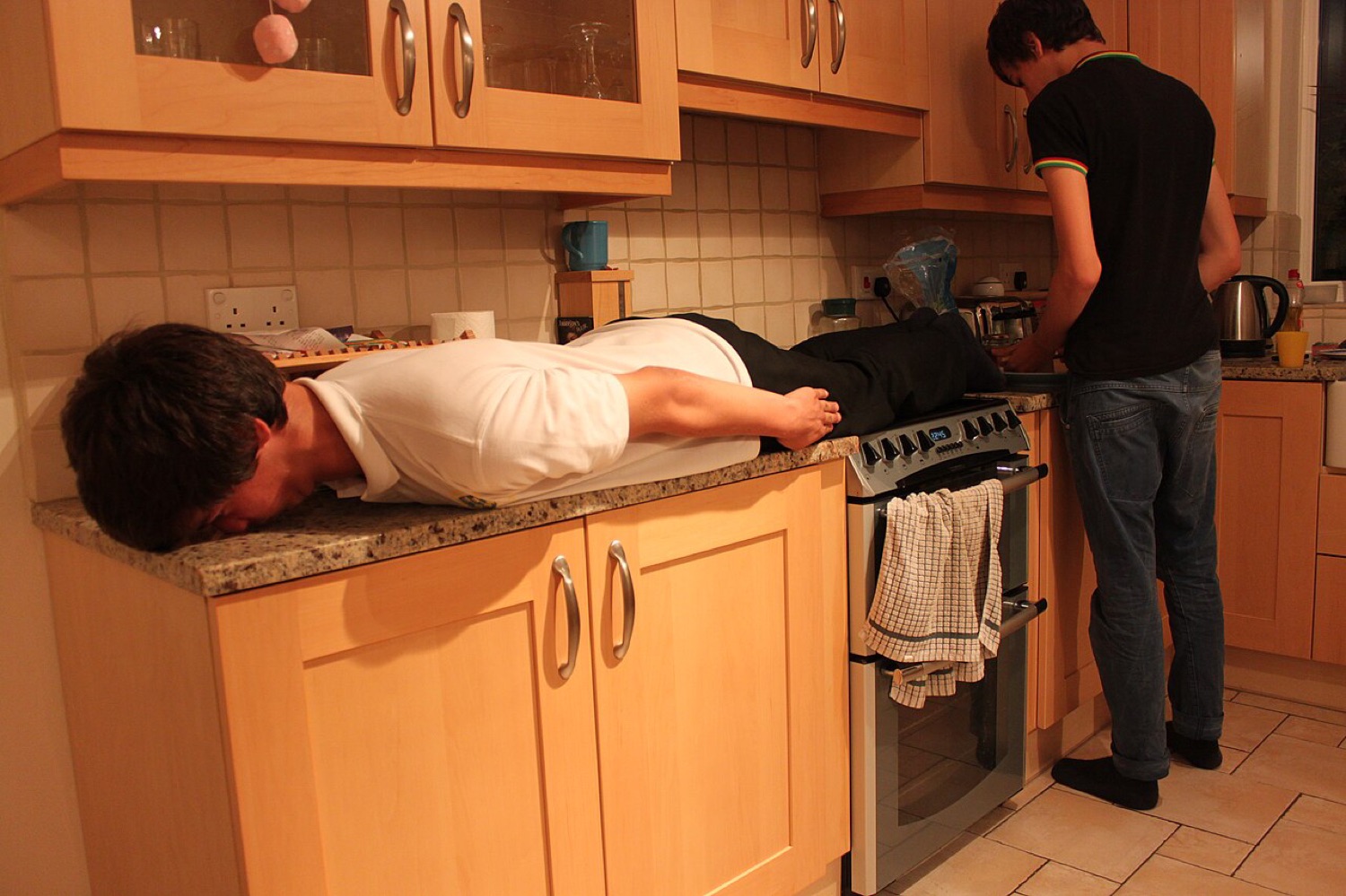
In the summer of 2011 this blog wrote about "owling", the craze that followed planking. If you missed it: planking meant lying face down, arms at your sides, stiff as a board, somewhere unexpected, then sharing the photo. Owling meant crouching on a perch like an owl. There was also "Batmanning", which involved hanging upside down by your feet. For a few months, every group photo seemed to include one of them.
How a craze spreads
Almost every viral trend follows the same path:
- A simple rule. Lie flat. Crouch. Pour a bucket of ice water over your head. If you can explain it in one sentence, anyone can join in.
- A visible result. Each attempt produces a photo or short video that is easy to share.
- Escalation. Once the basic version is everywhere, people compete on location and difficulty.
- Saturation. Brands, news anchors and parents join in, and the people who started it move on.
The dark side of escalation
The escalation stage is where crazes get dangerous. Planking drew serious attention in Australia in 2011 after a young man died in a fall from a balcony while attempting a plank, and police in several places warned people off rooftops, railings and roads. The lesson that repeats with every new challenge is simple: the trend is never worth the hospital visit, and the best version of any of these photos is the funny one, not the high one.
Why they fade
A craze lives on novelty. Once everyone has done it, there is no social reward left, and the next simple rule takes over. Some leave something behind; the ice bucket challenge of 2014, for instance, raised a large sum for research into ALS. Most simply become a time stamp. Show someone a planking photo today and they will tell you the year it was taken.