This blog used to have a Movie Trailers section, because for many readers the trailer was the main event. Trailers are short films with a single job, to make you buy a ticket, and their history is a neat history of how movies are sold.
Why "trailer"?
In the early days of cinema, previews were often shown after the main feature, trailing it, which is where the name came from. One of the earliest known examples, from 1913, promoted a Broadway musical rather than a film. Once audiences started leaving as soon as the feature ended, theatres moved the previews to the start of the programme, but the old name stuck.
The studio era
For decades, most American trailers were produced by a specialist company that made previews for the major studios, with sweeping titles, dramatic narration and words like "colossal" and "stupendous" flying across the screen. By the 1970s, directors and studios took more control, and trailers became more carefully cut to a particular audience.
The voice
From the 1980s, a deep-voiced narrator became the sound of the movie trailer, and the phrase "in a world..." turned into a joke because it opened so many of them. The late voice actor Don LaFontaine recorded thousands of trailers and became the best-known voice in the business. Modern trailers mostly drop narration in favour of music and dialogue.
Trailers as events
The internet changed everything. Studios began releasing trailers online, then teasers for trailers, then countdowns for the teasers. A big franchise trailer now gets broken down frame by frame within hours.
The heist trailer formula
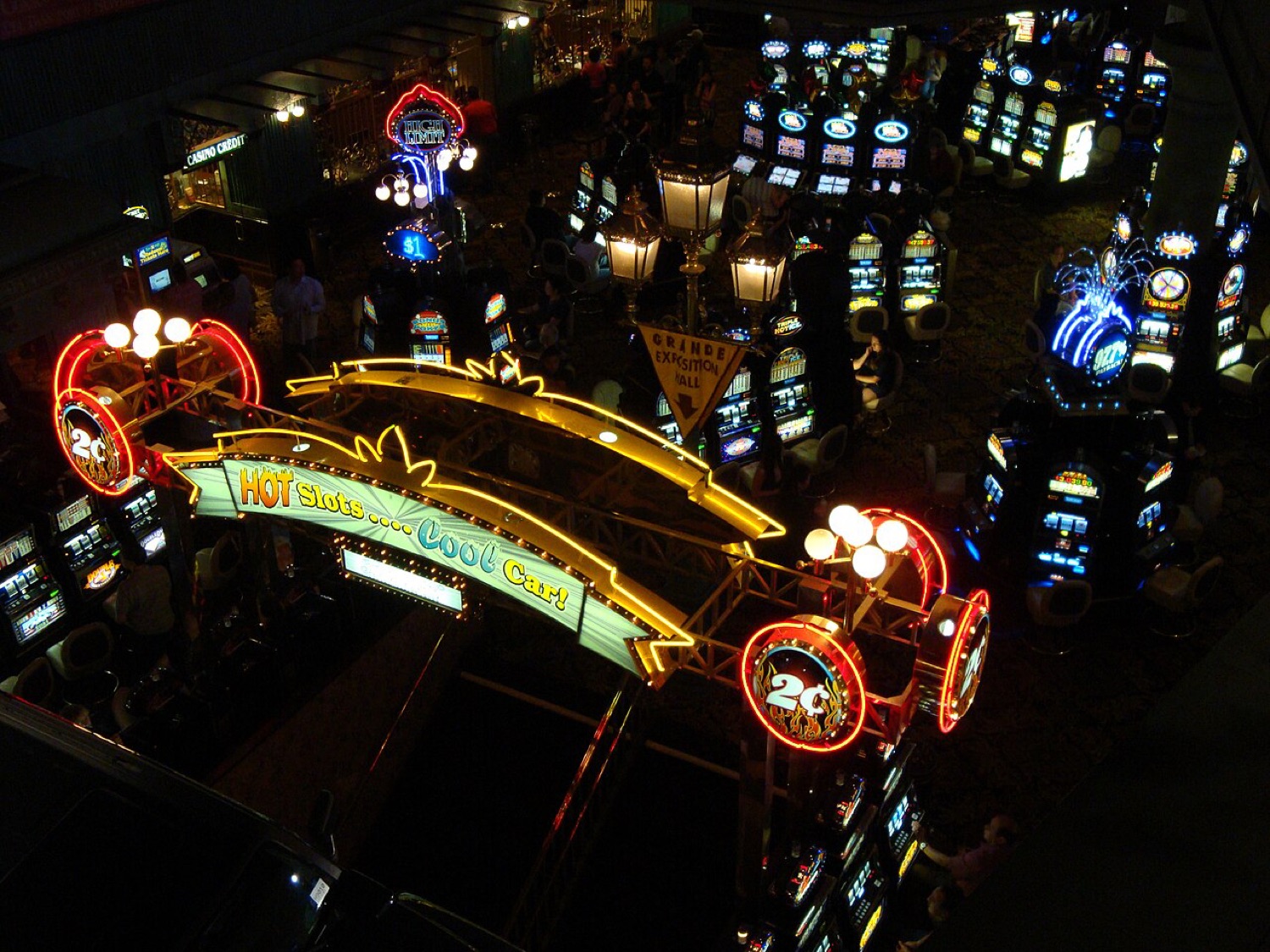
Some genres have their own trailer grammar. The casino heist trailer is a classic: a slick crew assembles, someone explains the impossible security of a Las Vegas casino, there is a montage of preparation set to a cool soundtrack, and it cuts to black just as the plan goes wrong. It works every time, even though real casino security looks very different, as we explain in What Heist Movies Get Wrong About Casino Security.