Back in July 2010 this site posted the Mega Millions numbers for a draw with an estimated jackpot of $34 million, and the comments filled up with people checking their tickets. The jackpots have grown a lot since then. The odds have not exactly improved.
The odds in plain numbers
The two big multi-state US games, Powerball and Mega Millions, both put the chance of hitting the jackpot with a single ticket at roughly one in 290 million. That is the kind of number that is hard to picture, so try this: if you bought one ticket for every draw, twice a week, you would expect to wait millions of years for a jackpot. Smaller prizes are far more common, which is why it feels like people "nearly" win all the time.
Why the headline prize is not the cheque
- The advertised jackpot is an annuity. It is the total of 30 payments spread over 29 years.
- The cash option is much smaller. Most winners take a lump sum, which is often around half of the headline figure.
- Taxes come next. Federal tax applies, and in many states state tax does too.
- Jackpots can be shared. Popular number patterns, such as birthdays, mean more people splitting the same prize.
Playing for fun
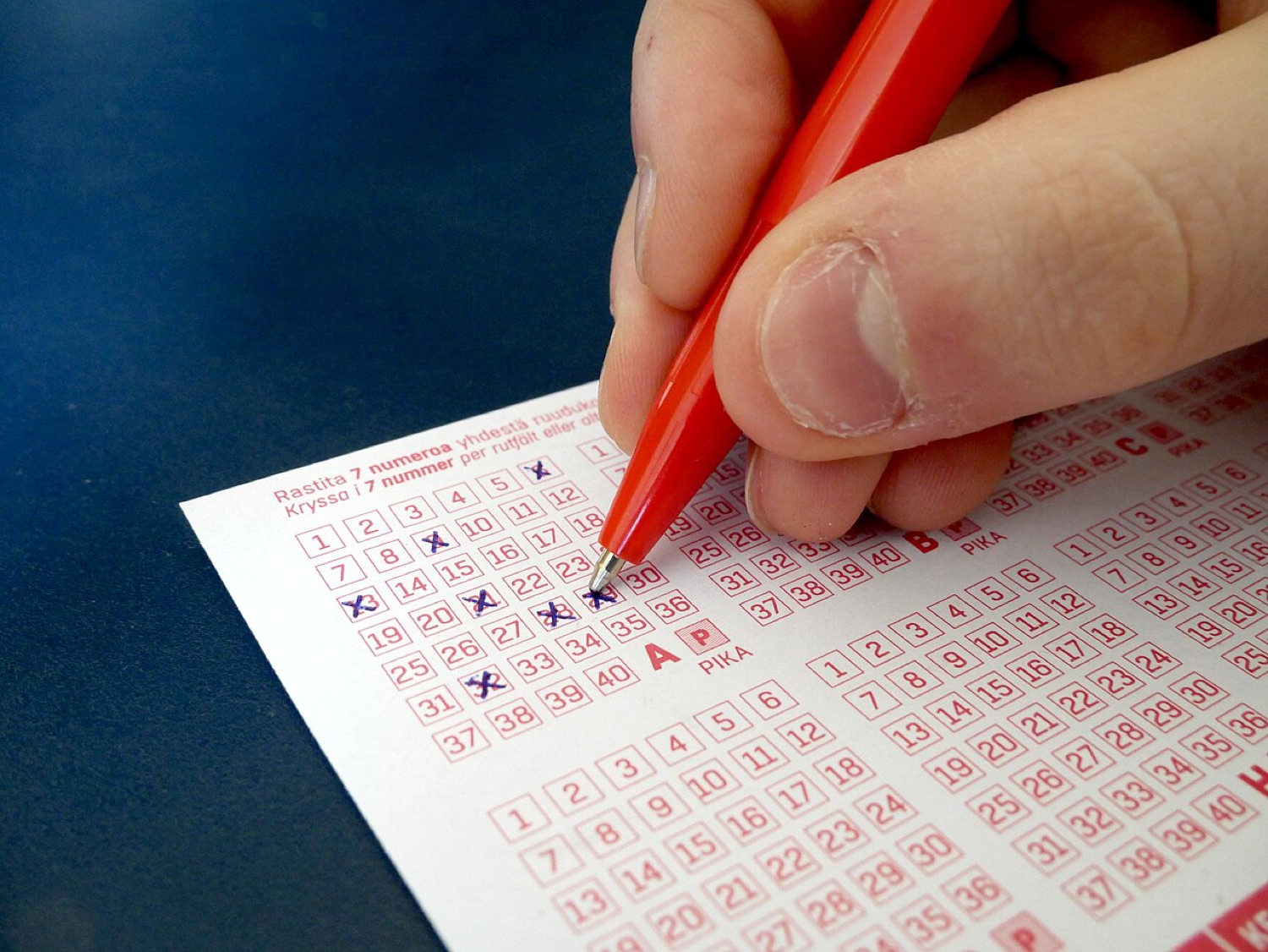
None of this means you should never buy a ticket. A couple of dollars for a few days of daydreaming is a fair price for entertainment, the same way a movie ticket buys two hours in a dark room. The trouble starts when tickets are treated as a plan. Set a fixed amount you would happily spend on any other hobby, let the computer pick the numbers if you want fewer shared jackpots, and sign the back of your ticket the moment you buy it.
Office lottery pools are a fun twist: everyone chips in, a written list says who paid for which tickets, and copies of the tickets go round by email before the draw. That piece of paperwork has settled more than one friendly argument.